


Use this map to search for your evacuation zone in Florida.
A Look Ahead to 2026
-
 Mike Stewart/APFrom what El Niño forecasting means to documents to have on hand during an emergency, here are some things to know at the start of the 2026 hurricane season.
 -
 NOAAForecasters expect tropical cyclone activity could resemble seasons in 2006, 2009, 2015 and 2023. El Nino plays a prominent role in each of the seasons.


Evacuation Zones and Shelter Info


Hurricane season in Florida can be a bit overwhelming, but here are some answers to common questions to help you before, during and after a storm.
Preparation Guide
-
 Mike Stewart/APIn case you lose power, here are different guides you can feel free to download and print out ahead of any hurricanes this season. Just click the link you want and the download or print icon to save it for the future.
 -
 Mohamad Faizal Bin Ramli/Getty Images/iStockphotoThere's a lot to consider when preparing for an approaching storm. Get a head start on hurricane season by arranging your important documents now.


What You Need To Know


-
 WUWF's Sandra Averhart spent some time in Santa Rosa County in the aftermath of Hurricane Isaias speaking to residents about how the storm impacted them and how they're recovering thus far.
 -
 “As soon as you get past sandbags the rules get real shades of gray.”
 -
 Anna Maria Island Turtle Watchers reported 17,609 hatchlings this season, compared to nearly 30,000 last year.
 -
 While some schools in the path of Isaias are starting to reopen, the state's top education official says others will wait until next week.
 -
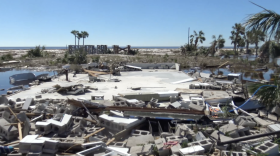 Hurricane Isaias brought the first hurricane strike to parts of Florida's central and eastern Panhandle since Michael in 2018. Eight years later, changes to North Florida's building standards are part of Michael's lasting legacy.
 -
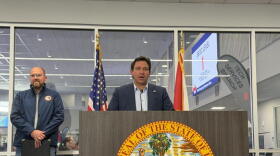 Local emergency personnel are working to clear smaller local roads and remove debris from residential areas. Meanwhile, Gov. Ron DeSantis confirmed Isaias led to six deaths in the state.
 -
 UWF President Manny Diaz says campus buildings largely escaped hurricane damage, but power outages and fallen trees are delaying reopening. Homecoming plans remain uncertain.
 -
 The funding will expand housing assistance for Hurricane Milton victims previously excluded from the city’s disaster recovery program.
 -
 Hillsborough County residents whose homes were damaged by Hurricanes Helene or Milton can get help applying for recovery assistance at two pop-up service centers this month.
 -
 The remnants of Isaias have brought heavy rain and flooding risks to parts of the central Appalachians and mid-Atlantic region. The storm, which hit Florida as a Category 2 hurricane, has caused at least four deaths.
 -
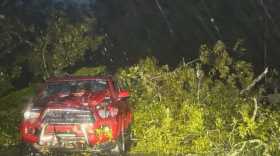 Hurricane Isaias made landfall just outside of Pensacola on Friday. After reaching major hurricane status, the cyclone weakened before landfall.
 -
 "Right now I think clearing those trees, clearing the debris – that mission continues," Gov. Ron DeSantis said Saturday afternoon during a briefing in Fort Walton Beach.


